
LPG and oil boilers
Get the most from your LPG (Liquid Petroleum Gas) or oil boiler.
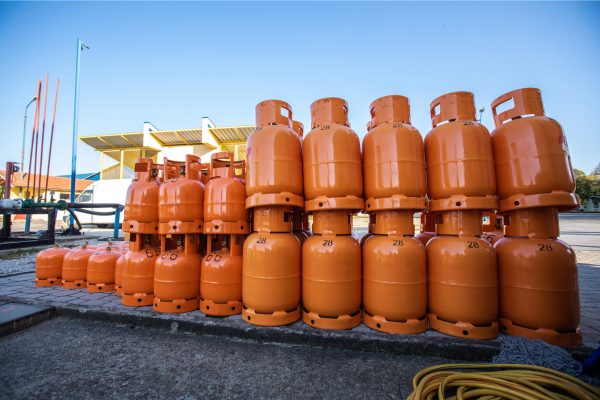
If you’re home isn’t connected to the gas grid, then you might use an oil or LPG (Liquid Petroleum Gas) boiler to power your heating.
These types of boilers burn oil or LPG to heat water. This hot water flows through your radiators and warms them up.
Unlike most other types of heating, you’ll have a fuel storage tank outside your home. You’ll need to order refills of oil or LPG when you’re running low.
LPG and oil: what’s the difference?
Heating oil is a type of kerosene. You get kerosene by heating crude oil (petroleum).
LPG is a hydrocarbon gas (its molecules contain hydrogen and carbon). The gas has been pressured into a liquid.
There are two types of LPG: butane and propane. Butane is the more common for indoor heating.
Heating your home with oil or LPG
Oil and LPG boilers work the same way as other boilers. Your boiler heats up water by burning whichever fuel it uses. This water then flows through your radiators, heating them up.
Some LPG and oil boilers also provide hot water. They’re known as combination (combi) boilers. If your LPG or oil boiler doesn’t provide hot water, you’ll have a separate hot water tank.
LPG and oil boilers: Controlling your heating
A boiler forms part of a central heating system. In this type of system, heat comes from a central point (the boiler), and travels around your home.
Most heating systems can be controlled with a programmer. This lets you set when you want your heating to come on.
You might also have a room thermostat. This lets you set how warm you want your home to be when the heating is on.
Check out our room thermostat and programmer guide here.
Finally, you might have TRVs (Thermostatic Radiator Valves) on your radiators. These let you vary the heat in different rooms. For example, you might want your bedroom to be very warm but your kitchen to be quite cool.
Check out our radiator guide for more about TRVs.
Tips for heating your home with oil or LPG
Here are a few things to look our for if you have an oil boiler.
Don’t run out of oil
Your boiler needs oil to work, so if you run out, you’ll be left without heating. Running out also means you’ll need to clear the system of air and any other potential blockages.
To avoid running out, keep an eye on the oil levels. There might be a gauge on your boiler, or you can fit a monitor.
If you’ve signed up for automatic refills, you don’t need to worry about running out. If you haven’t, it’s a good idea to order more oil when the tank is down to a quarter full.
Make sure the boiler stays in good condition
- All boilers should be serviced annually. You can book an engineer to come out and check the boiler’s condition, including whether there are any leaks or damage.
- It’s also a good idea to check for leaks yourself, especially if your fuel levels are dropping faster than usual. If you do find a leak, you should contact a boiler engineer.
- Keep an eye on the boiler’s pressure level. When the heating is off, it should be between 1 and 1.5 bar. If it’s too high, you can bleed the radiators.
How to save money with an LPG or oil boiler
As well as using your heating controls efficiently, here are a few other ways for oil boiler owners to save money.
Join an oil buying club
Oil clubs are communities that buy oil in bulk, making each member’s oil cheaper. Joining one could also help meet your supplier’s minimum order amount, which is usually 500 litres.
You can join an existing club or form your own.
Search online to find an existing oil club near you.
Check for heating oil grants and funding
With oil prices currently very high, you may find some grants and schemes to support you.
The Scottish Government’s Emergency Heating Oil Scheme is open throughout winter 2026. It can help you with £300 towards your oil or LPG costs.
You can apply online for the grant here or find out more about the scheme on our Emergency Heating Oil Scheme page.
Lower your boiler’s flow temperature
As with a gas boiler, you can lower the flow temperature. This is often set too high, so bringing it down can help you save money.
Find out how to lower your oil boiler’s flow temperature here.
Is this page useful?