
Home  Pine Grove: Your home upgrades
Boiler replacement – Pine Grove
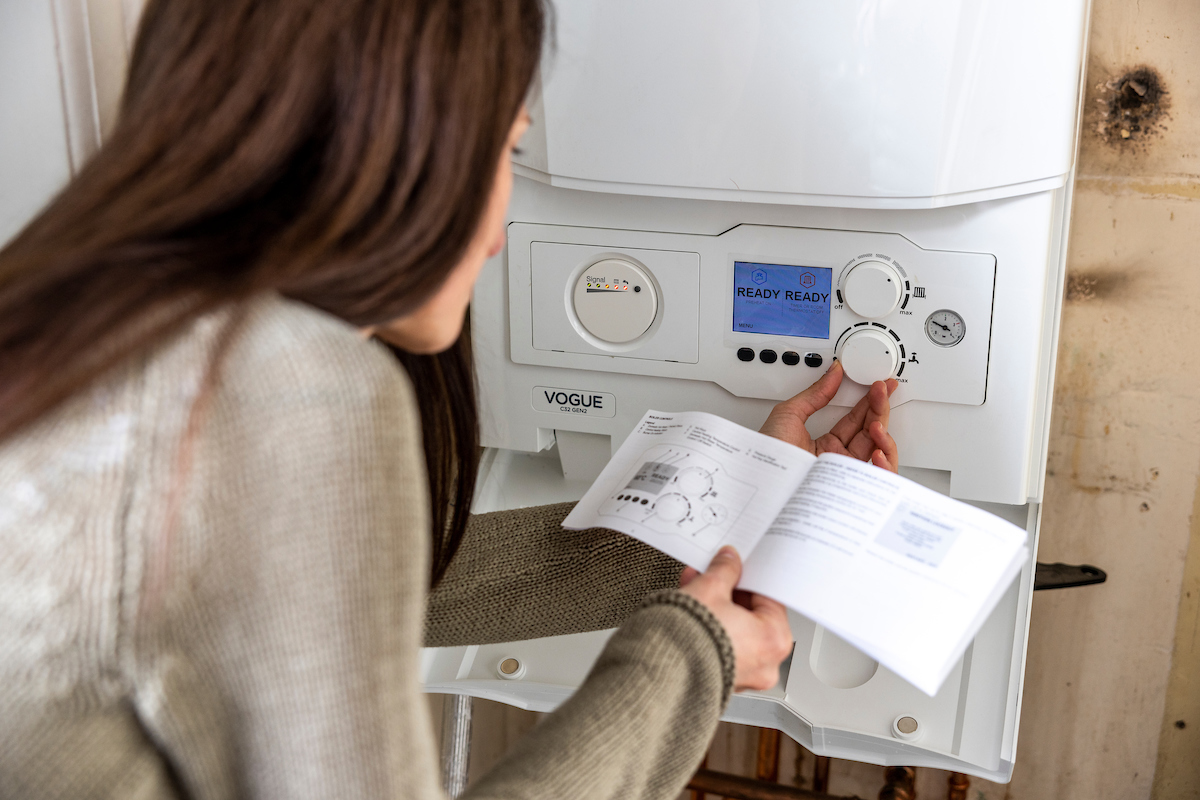
If your heating system needs upgrading, we’ll install a new boiler, pipework and radiators.
FAQs – Boiler replacement
If you’ve been offered the opportunity to have your heating system replaced, these FAQs should answer any questions you may have.
If your boiler is over a certain age, we will replace it with:
- Either like-for-like (combi for combi, system for system)
- Or change the type (e.g. system to combi)
This may require moving the boiler to a new location in your home.
1. Survey & Design
We’ll check your current system, pipework, gas supply, flue route, and ventilation.
We’ll confirm whether it’s a like-for-like replacement or a change of system.
If moving the boiler, we’ll plan a new flue exit, pipe routes, and drainage for condensate.
2. Removal of Old Boiler
Gas, water, and electricity will be turned off.
The old boiler will be drained, disconnected, removed, and taken away.
If re-siting, the old flue hole will be sealed.
3. New Boiler Installation
Brackets will be fitted to the wall for the new boiler.
A new flue will be installed through the wall or roof (this must vent safely away from windows/doors).
Pipework for gas, water, and heating will be reconnected or rerouted.
The condensate pipe will be connected to a suitable drain (or create a soakaway if needed).
Old controls will be replaced with a smart thermostat.
4. Commissioning
The system will be flushed (powerflush or chemical flush), filled, vented, and pressure tested.
The boiler will be fired up and checked for safe operation.
Gas Safe checks will be carried out, including: flue integrity, combustion readings, and leak tests.
5. After Installation
If the boiler was moved, expect some plastering, boxing-in, or redecorating.
Installers will make walls safe and neat; full cosmetic repairs will follow.
Yes:
Clear around the boiler and water tanks.
Empty airing cupboards for access.
(Tip: If gas, water, and electricity are off for several hours, plan ahead for cooking and toilet use.)
Cooking:
Set up a temporary food-preparation area in another room (e.g. dining room).
Use small appliances like a microwave, kettle, or toaster for simple meals.
Keep essentials like plates, cutlery, and cleaning supplies handy.
Hot Water:
Use a kettle or microwave to heat water for washing dishes or personal hygiene if needed.
Toilet Access:
You will have a working toilet at the end of each day.
During the day, access may be limited depending on the stage of work.
If you have specific needs, let the contractor know in advance so they can plan accordingly.
Yes:
Noise and dust from cutting, drilling, and plastering.
Water and gas supplies will be off for several hours (possibly overnight for complex jobs). You’ll be given temporary heaters if the central heating is off overnight.
No heating or hot water until the system is commissioned.
Multiple trades may be involved, so expect some coming and going.
Like-for-like replacement: usually 1 day.
Re-siting or system change: typically 2-3 days (depending on complexity).
The Changeworks Quality Assurance team will carry out independent inspections on all properties to ensure the work meets approved standards.
Useful pages
Is this page useful?